INFO-MAR Gameplay Systems

Game Mechanics & How to Play

INFO-MAR combines interactive puzzles, augmented reality technology, 3D exploration, and educational gameplay. Learn how to master every game mechanic.

Available on iOS and Android • PEGI 3 – Family-Friendly

Quick Breakdown

At a Glance

  • Core Loop: Explore, engage, and evolve your party through mystical realms.
  • Combat: Hybrid real-time and turn-based tactics with elemental synergies.
  • Heritage Powers: Ancestor-bound skills that reshape every build and strategy.

Core Gameplay Loop

INFO-MAR centers on a three-phase loop: exploration, tactical encounters, and resource mastery. Every decision you make feeds back into this cycle, gradually transforming your fledgling band of heirs into realm-defining legends.

1. Explore Ancient Realms

World discovery & information gathering

Each session begins with deliberate exploration across hand-crafted and procedurally influenced regions. Players uncover:

  • Mystical landmarks tied to ancestral bloodlines.
  • Hidden shrines that unlock unique Heritage Powers.
  • Dynamic points of interest that can become dungeons, trade hubs, or battlefields based on your choices.

Fog-of-war systems and scouting skills reward curiosity while allowing strategic retreat when facing overwhelming threats.
2. Engage, Adapt, and Rebuild

Combat, rewards, and progression flow

Exploration inevitably leads to conflict, puzzles, or negotiation. Completing these encounters grants:

  • Experience for character levels and talent unlocks.
  • Resources & reagents for crafting, trading, and base upgrades.
  • Reputation shifts that alter upcoming questlines and event difficulty.

The loop closes as you reinvest rewards into your party, unlocking deeper zones, harsher enemies, and more intricate Heritage Power combinations.

Combat System

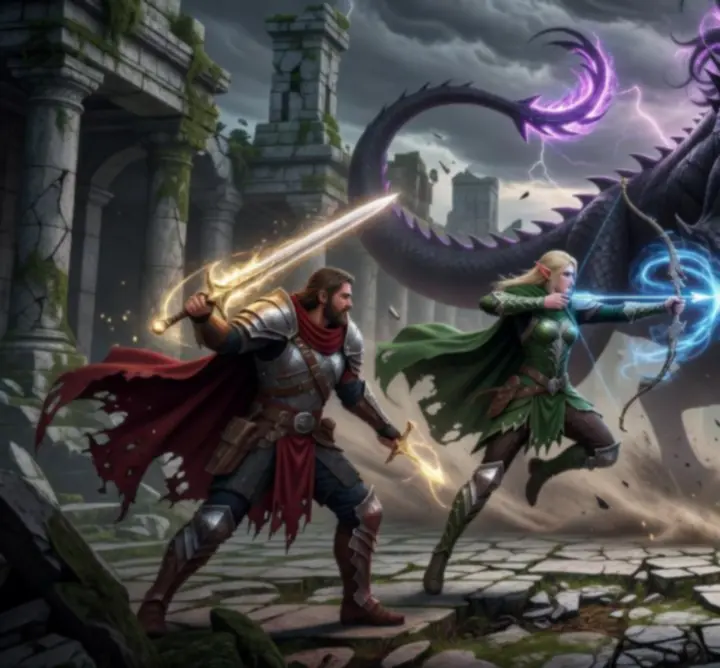
INFO-MAR uses a real-time with tactical pause structure layered over grid-based positioning. Players orchestrate their party moment-to-moment while leveraging terrain, elevation, and elemental interactions borrowed in spirit from modern fantasy strategy RPGs.

Dynamic Ability Queues

Each hero has a compact ability bar driven by cooldowns and resource costs. Players can:

  • Queue actions during tactical pause for precise sequencing.
  • Chain combos (e.g., Root then Shardstorm for shatter damage).
  • Switch stances to favor defense, mobility, or burst.

Well-timed interrupts and counter-abilities often decide elite and boss encounters.

Elemental & Terrain Synergy

Battlefields are layered with interactable elements:

  • Water conducts lightning and reduces fire damage.
  • Frozen ground increases crit chance but risks ally slips.
  • Arcane sigils amplify spells or explode when overcharged.

Success hinges on forcing enemies into unfavorable tiles while preserving your own safe paths and escape routes.

Turn-Based Resolution Layer

When precision is essential, encounters can shift into a structured turn-order mode influenced by:

  • Initiative stats and active buffs.
  • Recent actions (heavy attacks delay future turns).
  • Environmental triggers such as traps or summoned units.

This hybrid approach combines the immediacy of real-time combat with the clarity of classic turn-based tactics.

Want to see how combat ties into story arcs and long-form campaigns? Continue to Quests & Progression for encounter examples and boss mechanics breakdowns.

World Interactions

INFO-MAR emphasizes a living, reactive world. Instead of static backdrops, regions respond to your lineage, quest choices, and equipped Heritage Powers. Every map tile can host secrets, shortcuts, or hazards.

Magical Artifacts & Dynamic Puzzles

Ancient devices that reshape the path ahead

Throughout forgotten vaults and skybridges, players encounter artifacts that require careful manipulation rather than brute force. Expect to:

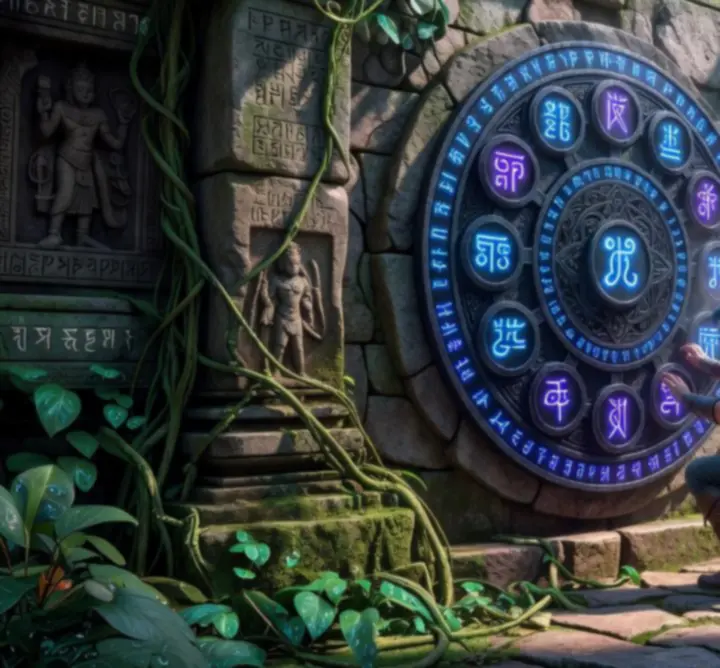
  • Rotate runic obelisks to redirect leyline currents and reveal hidden bridges.
  • Reconstruct shattered tablets by aligning glowing fragments into a single ancestral sigil.
  • Channel specific Heritage Powers into dormant devices to awaken shortcuts or secret arenas.

Failure rarely ends a run outright, but may seal certain rewards or force alternative, more dangerous routes.

Unlocking New Pathways

World progression is nonlinear. Regions contain locked paths gated by:

  • Heritage Keys bound to specific ancestral lines and quest outcomes.
  • Environmental skills such as ethereal climbing, spectral bridging, or temporal phasing.
  • Faction reputation that determines whether guardians aid or oppose your advance.

Revisiting earlier areas with new abilities frequently uncovers higher-tier loot and advanced endgame challenges.

A magical puzzle interface of rotating runic rings within an ancient stone chamber in INFO-MAR.

Character Progression

Progression in INFO-MAR borrows from premium fantasy RPGs while emphasizing lineage-driven customization. Characters grow through levels, skills, equipment, and Heritage Powers that all interlock into a cohesive build.

Levels, Tiers & Talent Trees

Each hero progresses through multiple tiers, with distinct milestones:

Tier Levels Highlights
Novice 1–10 Core class identity, basic combos, first Heritage Power slot.
Adept 11–25 Branching talent paths, specialization auras, advanced gear tiers.
Ascendant 26–50 Mythic talents, multi-class archetypes, unique ancestor quests.

Talent trees are intentionally compact: each choice is high impact and often unlocks new synergies rather than simple percentage boosts.

Skill Upgrades & Evolutions

Active skills evolve over time instead of being replaced outright. For example:

  • Ember Lance → gains piercing, then explodes, then leaves burning ground.
  • Guardian Ward → starts as a shield, then reflects damage, then converts excess protection into temporary damage buffs.

Players can lock in specific skill evolution branches to define a build, or maintain flexibility by investing broadly at the cost of peak power.

Heritage Power System

The defining mechanic of INFO-MAR is the Heritage Power system – a lineage-based layer of abilities and passives inherited from legendary ancestors. These powers re-contextualize every other mechanic, from combat and exploration to trading and diplomacy.

Ancestral Lineages

Each hero binds to one or more ancestral lines, such as:

  • Stormbound Dynasty – mobility, lightning control, initiative boosts.
  • Gravesong Covenant – necrotic barriers, soul economy, risk-reward healing.
  • Celestial Archive – time dilation, cooldown manipulation, knowledge-based buffs.

Lineage choice shapes available Heritage Powers and modifies how standard talents behave.

Power Slots & Resonance

Heroes unlock a limited number of Heritage Power slots as they advance. Powers can:

  • Grant unique active abilities with powerful side effects.
  • Alter the rules of existing mechanics (e.g., healing converts over-heal into shields).
  • Trigger Resonance when combined with compatible powers in the same party.

Resonance bonuses encourage building teams that share or deliberately clash lineages for specific strategies.

Strategic Trade-Offs

Many Heritage Powers grant immense power at the cost of new constraints:

  • Increased resource costs or stricter positioning requirements.
  • Permanent faction reputation shifts that close off certain questlines.
  • Endgame modifiers that raise enemy difficulty in exchange for better rewards.

This risk-reward design ensures that each build feels distinctive and meaningful, especially in higher difficulty modes and cooperative play.

To see how Heritage Powers intersect with archetypes and playstyles, explore the Characters & Classes page.

Party Management

HeritageGam is built around squad-level decision-making. You recruit, equip, and coordinate a diverse roster of heroes, each defined by class, lineage, role, and personal quests.

Recruitment & Synergy

Heroes are discovered through story arcs, faction hubs, and dynamic events. Smart party compositions consider:

  • Role coverage (frontline, control, support, burst, sustain).
  • Heritage Resonance bonuses and overlapping talent paths.
  • Personality-driven traits that can boost or hinder team cohesion.

Some heroes unlock special tactics when fielded together, encouraging experimentation and replayability.

Equipment, Loadouts & Roles

A dedicated party screen allows quick comparison of gear and stats across your roster. From here you can:

  • Assign role-specific loadouts saved for different content types (exploration, boss rush, co-op).
  • Resolve gear conflicts using recommendation tools that highlight optimal users for each relic.
  • Adjust AI behaviors for off-control characters, defining aggression, positioning, and resource usage.

This system keeps complex squads manageable on both PC and console interfaces.

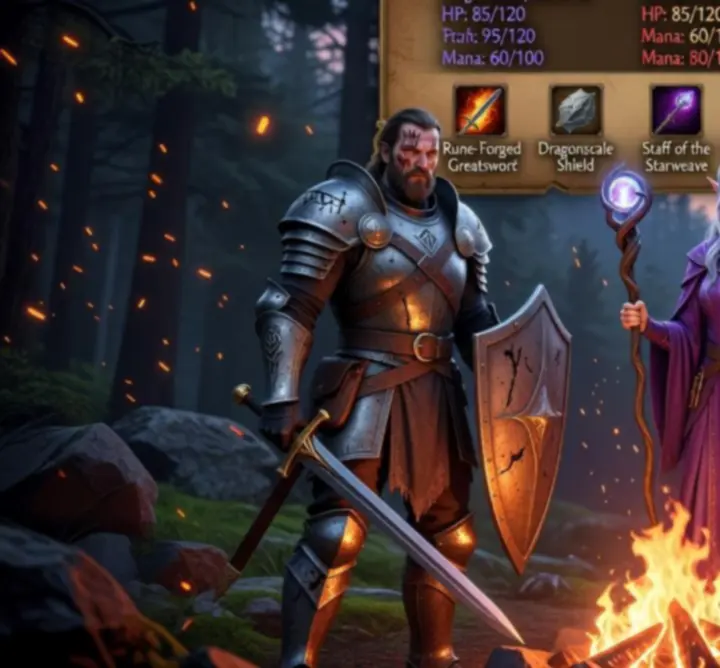
A party management interface showing a roster of diverse heroes and their equipment in HeritageGam.

Quests and Objectives

Quest design in HeritageGam blends structured narrative arcs with dynamic world events, ensuring that every run through the realms feels authored yet unpredictable.

Main Storyline Arcs

Long-form campaigns chart your bloodline's rise through interconnected chapters. Major decisions:

  • Change which ancestral lines become available later.
  • Determine which factions endure or fall.
  • Unlock unique endgame scenarios and epilogue states.

Side Missions & Character Arcs

Side quests delve into individual heroes, rival lineages, and forgotten realms. Completing them can:

  • Grant exclusive Heritage Powers or unique gear.
  • Alter character traits and interpersonal relationships.
  • Change how those heroes behave in cooperative multiplayer.

Dynamic Events & Objectives

Roaming events, invasions, and temporal anomalies appear based on:

  • Current world state and completed quests.
  • Active Heritage Powers in your party.
  • Global progression milestones on your profile.

These events often feature branching objectives where choosing speed, safety, or greed leads to very different outcomes.

Loot and Rewards

HeritageGam embraces a targeted loot philosophy: players earn powerful rewards consistently, but must make hard choices about who wields each relic and how far to push upgrades.

Rarity, Sets & Enchantment Layers

Weapons, armor, and accessories span multiple rarities and set bonuses. Enchantments allow:

  • Elemental infusion aligned with specific lineages.
  • Conditional buffs (e.g., extra damage on elevated terrain).
  • Transformative effects that alter skill behavior.

Endgame relics often come with both a boon and a drawback, mirroring the Heritage Power philosophy.

Reward Sources

Key reward sources include:

  • Boss encounters and elite hunts.
  • Puzzle vaults and time-limited rifts.
  • Faction reputation tracks and trade contracts.

Smart routing and quest choices significantly impact the pace at which you assemble a complete build.

Sample Reward Progression

Illustrative power curve

Content Type Expected Reward Tier Notes
Story Dungeon Rare Class-defining upgrades, early set pieces.
Optional Vault Epic Puzzle-focused, strong utility or niche items.
Endgame Rift Legendary Build-defining, usually tied to Heritage lineages.

Resource Economy

The resource layer intertwines gathering, crafting, and trading. Rather than hoarding generic currency, players juggle multiple specialized resources that push them toward distinct strategies.

Gathering & Alchemy

Exploration yields reagents, ores, essences, and relic fragments. With them you can:

  • Brew consumables that temporarily amplify Heritage Powers.
  • Craft sigils that modify world events (e.g., higher risk, higher reward).
  • Refine materials into rarer forms used for legendary upgrades.

Region-specific resources encourage visiting varied biomes rather than farming a single zone.

Trade, Factions & Market Shifts

Trading posts and traveling caravans feature dynamic inventories and prices that react to:

  • Your faction standing and completed contracts.
  • Global events, such as invasions or seasonal festivals.
  • Player choices that strengthen or weaken regional economies.

Dedicated trade-focused builds can leverage discounts, exclusive stock, and passive income to fund ambitious crafting projects.

Key Resource Types

Resource Primary Use Acquisition
Aether Shards Heritage Power unlocks & upgrades Bosses, ancestral shrines, co-op challenges.
Runebloom Potions & temporary buffs Gathered in wilds, grown in player sanctums.
Obsidian Ore Weapon and armor reforging Mining nodes, trade with dwarven enclaves.

Environmental Hazards

The realms of HeritageGam are as dangerous as their denizens. Environmental systems introduce persistent hazards that reward preparation, positioning, and adaptable builds.

Shifting Terrain & Magical Traps

Battle maps can transform mid-encounter:

  • Collapsing bridges that force tight chokepoints.
  • Rising lava or floodwaters that change viable tiles.
  • Arcane trap grids that react to AoE spells and movement patterns.

Some Heritage Powers allow remote disarming or repurposing of traps into offensive tools.

Weather & World States

Macro-level conditions like blizzards, eclipses, or planar storms influence entire regions by:

  • Modifying elemental resistances and damage.
  • Altering spawn tables and event frequency.
  • Unlocking time-limited quests visible only under specific skies.

Strategic players time their expeditions to align world states with their current builds and goals.

Hazard Preparedness Checklist

  • Carry at least one movement skill and one displacement tool.
  • Maintain mixed elemental coverage in your party.
  • Equip at least one hero with trap detection or mitigation.
  • Review forecasted world events at hubs before departing.

For specific dungeon and boss hazard patterns, reference advanced guides in our Overview and upcoming strategy articles.

Cooperative Multiplayer Mechanics

While fully playable solo, HeritageGam shines in cooperative modes where players link lineages, share resources, and coordinate tactics to tackle high-difficulty content.

Alliances & Shared Objectives

Co-op sessions allow up to four players to venture together, each contributing:

  • A selected hero from their roster with preserved builds and Heritage Powers.
  • Limited shared resources for emergency revives and ward placements.
  • Unique alliance boons based on combined faction reputations.

Objectives often require synchronized actions such as simultaneous sigil activations or multi-angle boss mechanics.

Coordinated Strategies

Successful groups typically define clear roles:

  • Vanguard – controls space and absorbs initial aggro.
  • Architect – manipulates terrain and hazards in your favor.
  • Conductor – triggers and extends Heritage Resonance combos.
  • Keeper – manages healing, dispels, and resource sustainability.

Voice communication is recommended, but in-game pings and tactical markers allow console and solo-queue players to coordinate effectively.

Allied heroes unleashing coordinated abilities against a colossal enemy in HeritageGam's cooperative mode.

Replay Value & Dynamic Events

HeritageGam is designed for long-term engagement. Systems interlock to ensure no two campaigns feel identical, even when starting with the same class or lineage.

Dynamic World Events & Random Encounters

Every run recalibrates:

  • Event chains that can branch, loop, or resolve differently.
  • Enemy affix pools and elite modifiers.
  • Heritage Power availability tied to rare shrines and hidden bosses.

Combined with difficulty modifiers and optional challenges, this creates nearly endless variations.

Robust Endgame Content

Endgame focuses on mastery rather than simple stat inflation:

  • Scaling rift dungeons with rotating rule sets.
  • Lineage trials that test specific build archetypes.
  • Seasonal challenges with unique cosmetic and prestige rewards.

These systems reward both solo experimenters and dedicated co-op groups who refine strategies over time.

Stay informed about upcoming mechanics updates, seasonal changes, and balance passes in our news hub, and reach out directly if you have questions or feedback via the Contact Us page.

Continue Your Journey

Now that you understand the core mechanics, choose where to explore next:

For account support, collaboration opportunities, or press inquiries, please use the Contact Us page. Policy and data handling details are available in our Privacy Policy.